How to
Bearing Witness: Why the Future of Design is About Human Presence
Wendy Wong
5 mins read
Share this:

An AI tool can transcribe a research interview in seconds and summarise 100 survey forms by lunchtime.
Design research has never been faster.
Yet, sitting at the INTERSECTIONS Conference, Singapore's first design service conference last month, surrounded by hundreds of design leaders, one question kept ringing in my head: If we have all this data, why are we still failing at change?
McKinsey reports that 70% of complex change initiatives fail. And 70% of those failures are caused by human friction, lack of buy-in, and resistance.
I believe while AI captures what people say, it misses what people feel, fear, and dream.
The Spark from INTERSECTIONS Conference 2026
Across keynotes at the conference, one truth stood out to me. Design is fundamentally relational.
Neil Williams, customer experience lead at Cathay Pacific, hit the nail on the head: "AI can synthesise thousands of interviews, but AI still cannot sit in a room with a human being."
Harriet Wakelam, head of Group Design at DBS Bank, Marc Stickdorn, author of This is Service Design Doing, and Sze Ling Lim, CEO of ServicesSG, all reinforced that tools, journey maps, and automated touchpoints are not helpful if you lose touch with people's lived realities on the ground.
But it was Esther Wong, quality services senior manager at Changi Airport Group, who dropped the quote that stuck with me the most: "Micro-human interactions leave an impression, a memory."
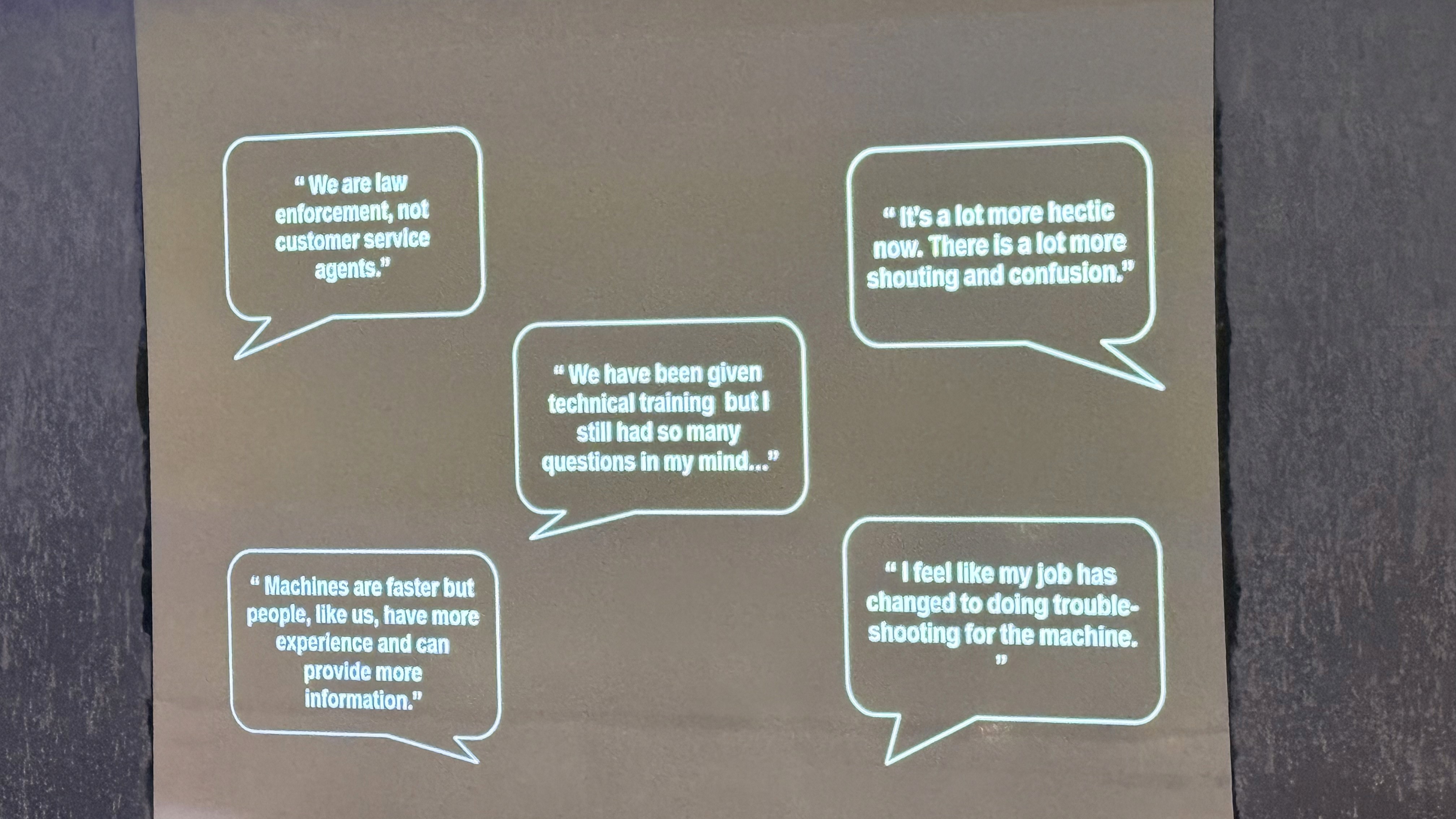
The sharing from Esther Wong, Service Design Lead at Changi Airport Group, at the INTERSECTIONS Conference was one of the many keynotes that resonated deeply for Wendy.
Empathy can’t be automated. You have to be in the room to bear witness to those micro-moments and feel the energy. Then co-create the path forward.
What "Bearing Witness" Actually Looks Like
Across my work leading 55 Minutes, teaching at SIT, or coaching, real breakthroughs happen when people are in the same room physically:
Co-creation sessions: The “aha” moment comes during a co-design session with real users. Be with people who understand their challenges best and who are trying to solve it themselves.
In the classroom: It’s shifting how I deliver a lesson on the spot because I can read the slump in my students' posture and the quiet fatigue in the room.
In coaching sessions: The biggest breakthroughs happen in the heavy sigh, the laugh of relief, or the five seconds of complete silence when a client finally figures out what’s holding them back.
Research from MIT Media Lab backs this up: non-verbal "honest signals" (facial expressions, tone, posture) are five times more predictive of real group alignment than the words being spoken.
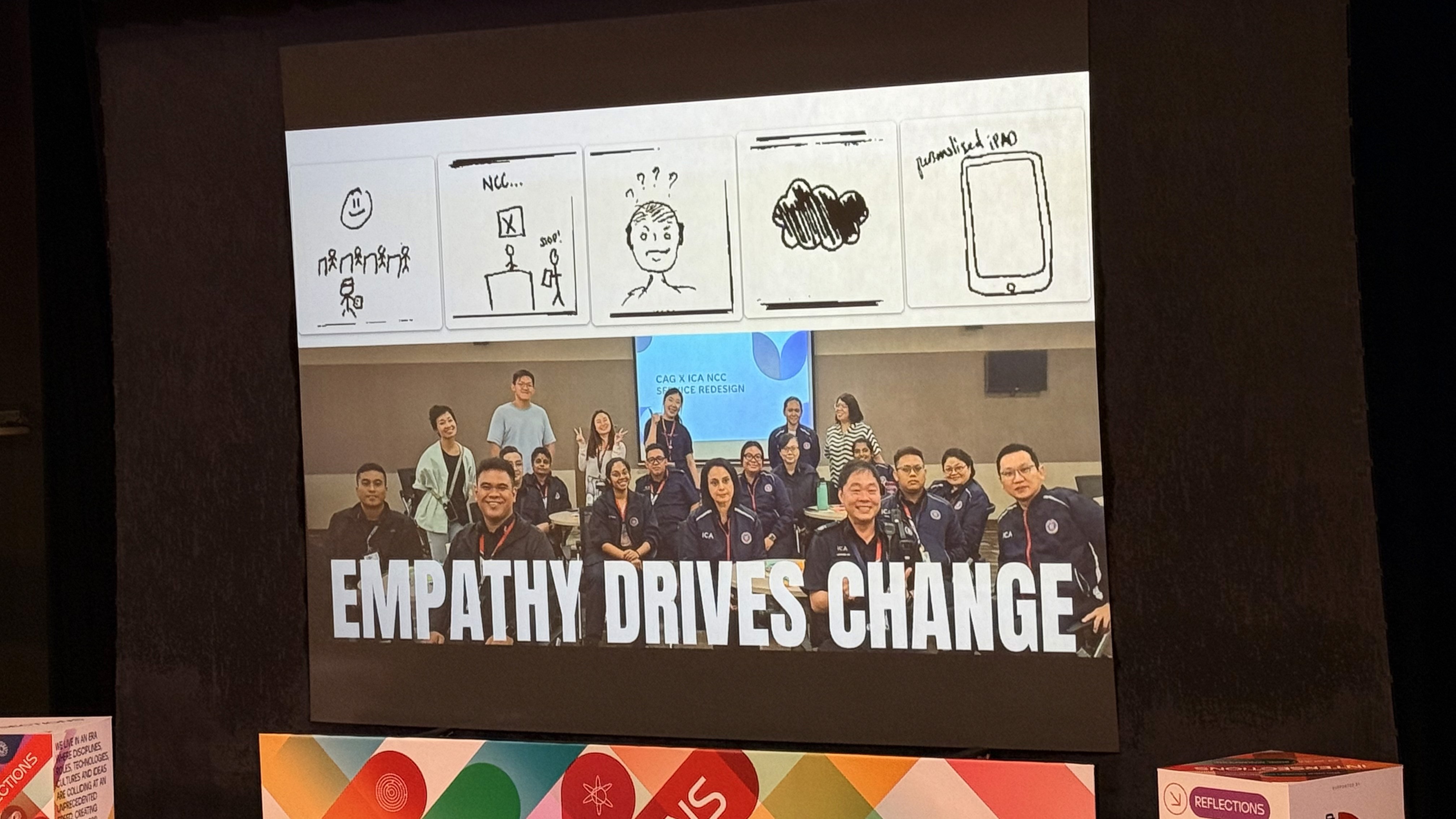
Being in the same space as those you are designing the solutions for allows you to fully witness the real stories, feelings, pains and dreams of the people you are designing for.
The Ultimate Act of Witnessing: Accessibility Design
This is especially critical in our accessibility work at 55 Minutes. True inclusion is bearing witness to how people navigate a world that wasn't built for them:
Wheelchair users dealing with the quiet anxiety of wheeling down a long hallway, not knowing if there’s a ramp at the end or if the accessible restroom is available.
Navigating a doctor’s visit is effortless for people who can hear when waiting for the audio chime, but someone who is hard of hearing has to stay vigilant, tracking visual displays just to know it's their turn.
Low-vision users trying to read an inaccessible PDF report or form has their screen reader reading aloud unformatted garbage text, blocking them from basic information.
When you observe lived experiences with genuine presence, you stop designing for people as an afterthought. You co-design with them.
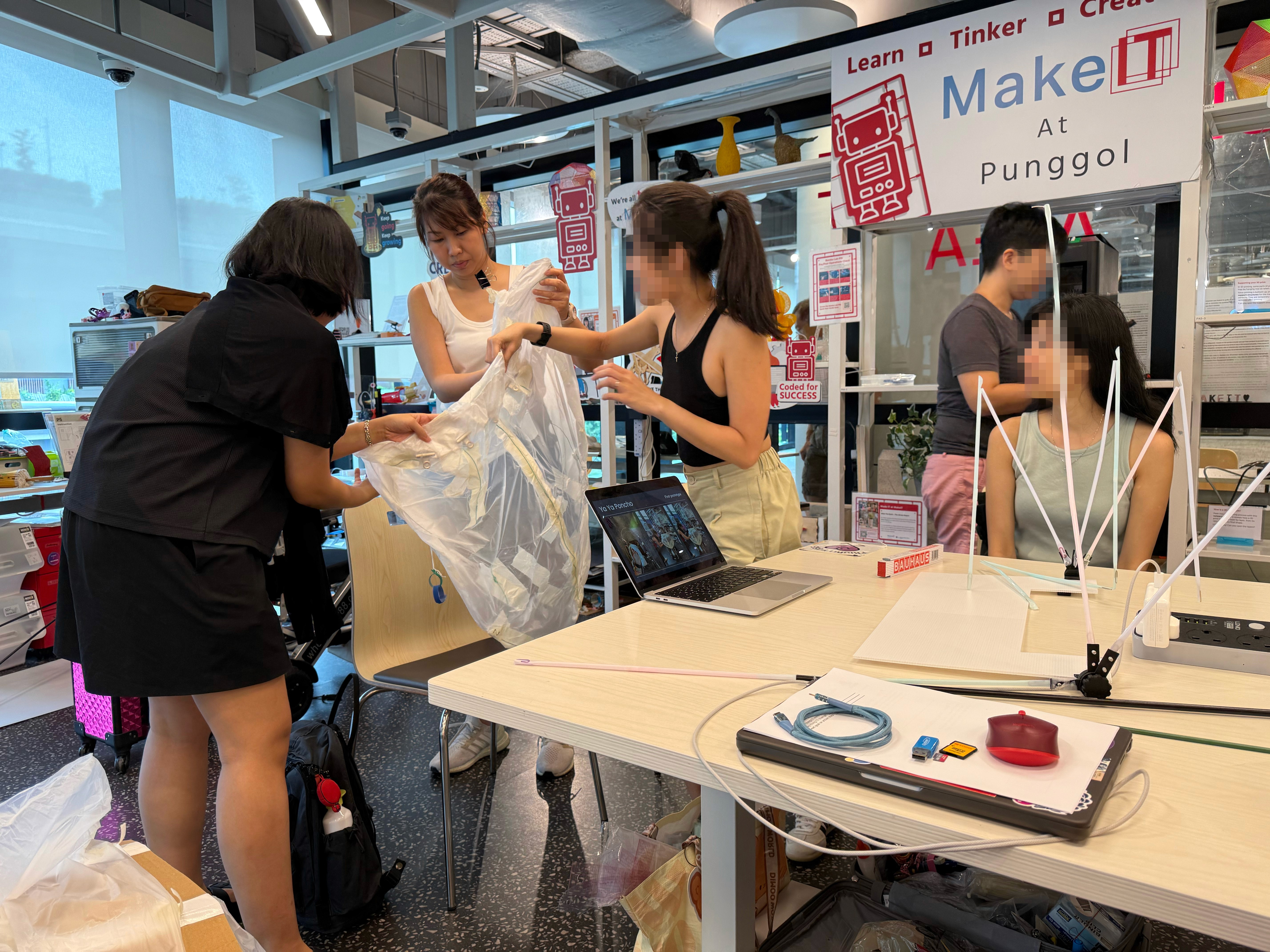
Breakthroughs in a good solution often happens when you are hands-on, testing things out for yourself, making the concept concrete, and collaborating with others who know their challenges best.
Co-Creation: From Compliance to Ownership
Similarly in an organisation, when leadership hands staff a finished, top-down strategy, it triggers instant resistance.
Behavioural science calls this the “IKEA Effect” (The IKEA Effect: When Labor Leads to Love, Harvard Business School): people value outcomes up to 63% more when they participate in shaping them. When people help to co-design the solution, compliance turns into ownership.
3 ways I believe we can bring relational presence to our work
1. Add an "Unspoken" column to your research notes
Don't just record transcripts and quotes. When your team takes notes during interviews, focus groups, or user testing, add a dedicated column for Emotional and Physical Friction.
Note where participants paused before answering, where they laughed nervously, or when they sighed.
By explicitly logging what wasn't said, you capture the hidden friction that standard transcription tools miss entirely.
2. Practice the 80/20 rule
Don’t walk into a stakeholder alignment meeting or client workshop with a 100% finished strategy or service map.
Present an 80% draft and explicitly leave the final 20% open for co-creation.
When teams help fill in the final blanks, you trigger the IKEA Effect, turning passive feedback into genuine ownership.
3. Swap Compliance Questions for Curiosity Questions
Pay attention to the energy in the room during briefings or rollouts. Instead of wrapping up with the usual "Does everyone understand the new workflow?", look at the room's body language and ask: "Where does this feel realistic, and where does it feel like a struggle for you on the ground right now?"
The Future of Design is Relational
As design tools get faster, output is becoming commoditised. What can’t be commoditised is human presence.
I believe the future of design, amidst all the advancement of technology and speed of making things, is about doubling down on what makes us human: stepping into a room, holding space for complex needs, bearing witness, and building the better outcomes together.
If AI saves us time, let’s spend that time with real people.
Do you
like
Share it with your friends!
https://55mins.com/blog/bearing-witness-why-the-future-of-design-is-about-human-presence
Copy link
Copied